Sourcing GI Wire ?? Dive In
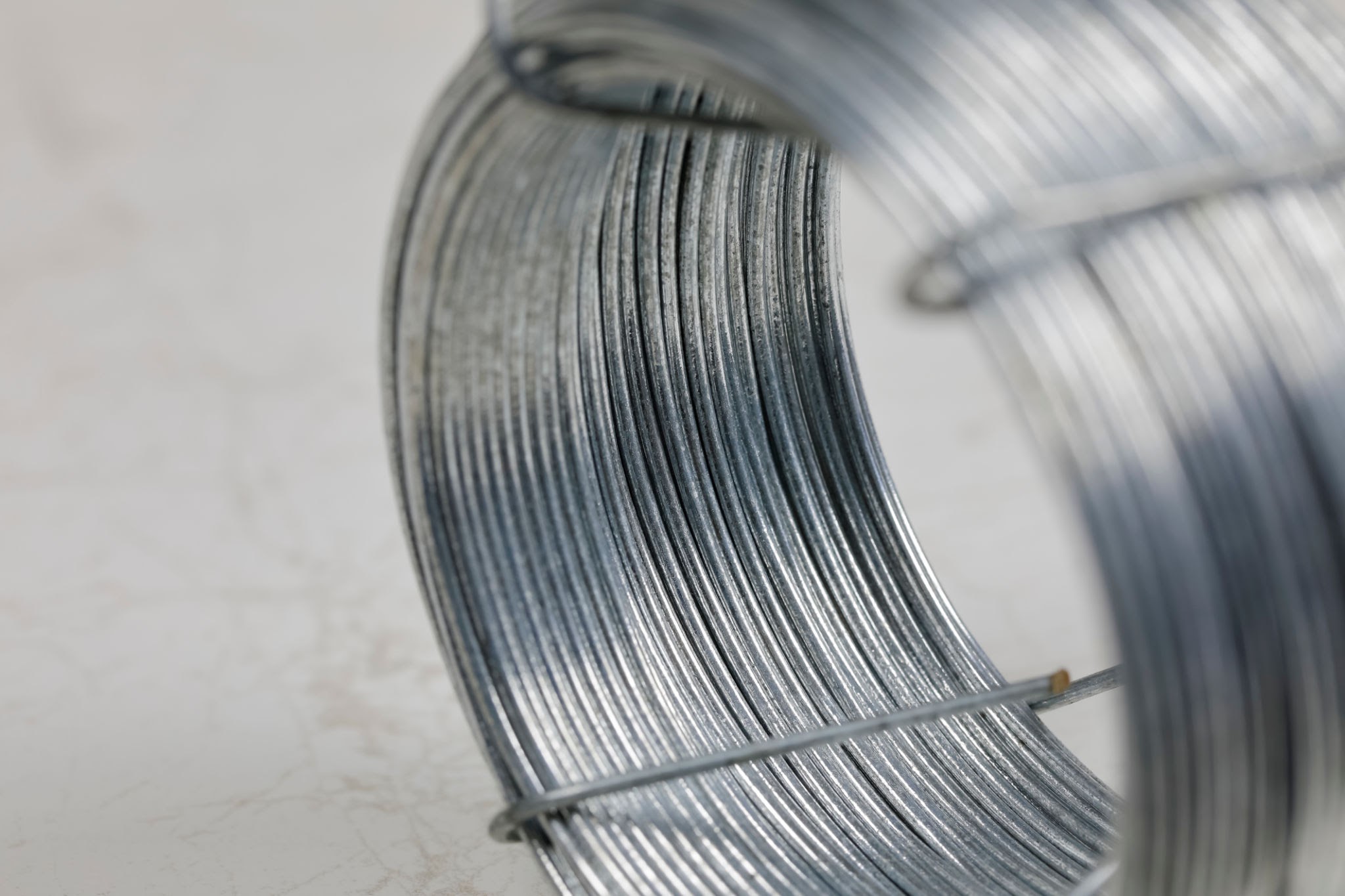
When it comes to construction, agriculture, power transmission, and manufacturing, one material quietly holds everything together: Galvanized Iron (GI) Wire.
Whether it is securing high-stress perimeter fencing or binding rebar on a high-rise construction site, the performance of GI wire hinges entirely on two critical factors: the quality of the raw material and precision in the hot-dip galvanizing process.
Why High-Grade Raw Materials Make or Break GI Wire
Not all GI wire is created equal. The foundational wire rod determines tensile strength, flexibility, and fatigue resistance before it ever enters a zinc bath.
When GI wire is manufactured using high-purity, prime low-carbon steel wire rods, you get a wire that balances ductility with impressive tensile performance. Here is why raw material integrity is non-negotiable:
- Superior Zinc Adhesion: Pure steel substrates allow the molten zinc to form a tight, uniform metallurgical bond. This prevents the protective coating from flaking or cracking during tight twists and bends.
- Consistent Tensile Strength: Inferior scrap-recycled steel leads to brittle spots and uneven wire drawing. Prime steel guarantees uniform strength throughout the coil.
- Maximum Corrosion Resistance: A heavy, uniform coating of high-grade zinc shields the core steel against rust, atmospheric moisture, and industrial pollutants, extending service life by decades.
Core Applications of Commercial GI Wire Across Industries
1. Construction & Infrastructure
Thinner gauges (16 SWG to 20 SWG) serve as the backbone of rebar binding and scaffolding ties. High ductility is paramount here: workers need wire that bends smoothly around rebar without snapping under heavy manual twisting.
2. Agriculture & Farming
Heavy to medium gauges (8 SWG to 14 SWG) handle the demanding tension of vineyard trellising, crop support lines, and farm boundary enclosures. Excellent rust resistance is crucial to withstand continuous exposure to rain, soil acids, and fertilizers.
3. Perimeter Fencing & Gabion Structures
Heavy-gauge commercial GI wire (8 SWG to 12 SWG) provides the structural integrity needed for security fencing, airport perimeters, and soil erosion control gabion baskets. High tensile strength ensures the mesh maintains shape under physical impact and environmental stress.
4. Industrial Packaging & Manufacturing
Mid-gauge GI wire is widely drawn into staples, bucket handles, wire mesh, and cable armoring for underground power lines.
Ready to Partner with a Trusted GI Wire Manufacturer?
Maniram Steel Pvt. Ltd. manufacture premium commercial GI wire from 8 SWG to 14 SWG using top-grade prime steel and advanced hot-dip galvanizing technology and 16 SWG to 20 SWG using cold-dip electroplating technology. Whether you need custom coil weights, specific zinc coating thickness (GSM), or tailored tensile strengths, we deliver consistent quality that meets your requirement.